Photos don't show the product from every angle
We build a 3D model visitors can rotate and zoom. We add colour and material switching so customers can pick a variant before they order.
We build interactive 3D scenes for websites: visitors can rotate a product, zoom in and change colours. We use Three.js (a JavaScript library for 3D in the browser) on top of WebGL (the browser technology that draws 3D on the device's graphics chip). The scene fits into the site we build for you or the one you already have, and it helps customers understand what they are buying.
Quote and schedule after your brief
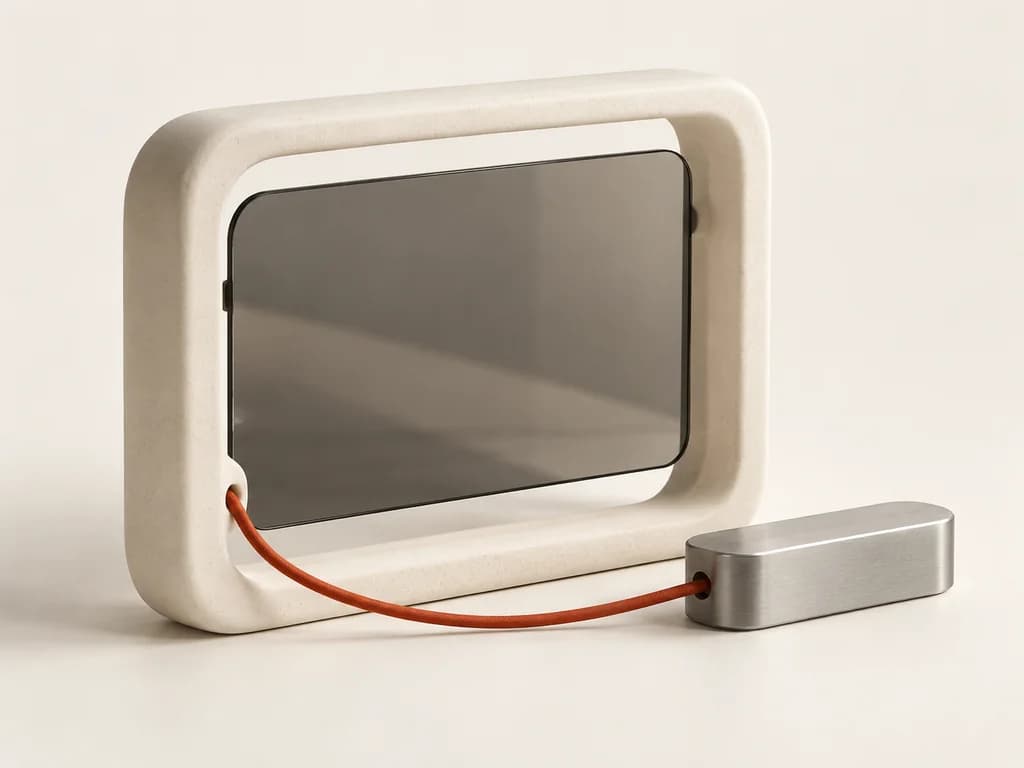
We build a 3D model visitors can rotate and zoom. We add colour and material switching so customers can pick a variant before they order.
We optimise models and textures, compress files and ship a lighter version for weak devices. We test on real phones, not only on a fast laptop.
If you have CAD files or drawings, we prepare the model from them. If not, we model from photos and dimensions. It is a separate line in the estimate, so you see the cost upfront.
3D loads after the main content, so text and headings stay normal for search engines. Every scene has a static image fallback.
Use a package to describe what you need. We agree on the quote and schedule after reviewing your brief and requirements.
One product that needs to be shown from every side
Shops and manufacturers that sell by options
Brands with a presentation site or a product launch
You describe the task and current workflow. We clarify requirements, choose a first stage and prepare a quote.
We collect drawings, photos, CAD files and brand colours. We prepare or optimise the 3D model and show it to you before building the scene.
We build one working scene on the real site. You can rotate it on your own phone and send feedback.
We finish the full scope, compress assets and check speed and fallbacks. Payment is made in stages.
We publish and check the pilot KPI. Code, models and accounts are yours under the agreed terms.
A ready viewer is enough if you only need to rotate one model. Three.js makes sense when you need a configurator, custom animation, effects or tight integration with your site. We'll tell you honestly if the simpler option fits.
No, but having one makes it cheaper and faster. If you have CAD files or drawings, we prepare the model for the web. If not, we model from photos and dimensions, which is a separate line in the estimate.
We set a weight limit for the scene at the start and compress models and textures. 3D loads after the main content. We check speed on real phones before launch.
Yes, modern browsers on both platforms support WebGL. Weak devices get a fallback. We test on several real devices before handover.
Usually yes. The scene is embedded as a separate block on WordPress, Webflow, Shopify or custom code. Before we start, we look at how your site is built and tell you about any limits.
We agree on the handover of code, materials and account access before work starts. Third-party licences and services are listed separately when needed.
Describe your business, the outcome you need and your current workflow. We will clarify the requirements and prepare a quote after your brief.